Eight planets. One star. A few friends.
Tap a world on the orbit map and it sends you a postcard: two or three true things about it, each with a link to where we checked it.
The orbit map
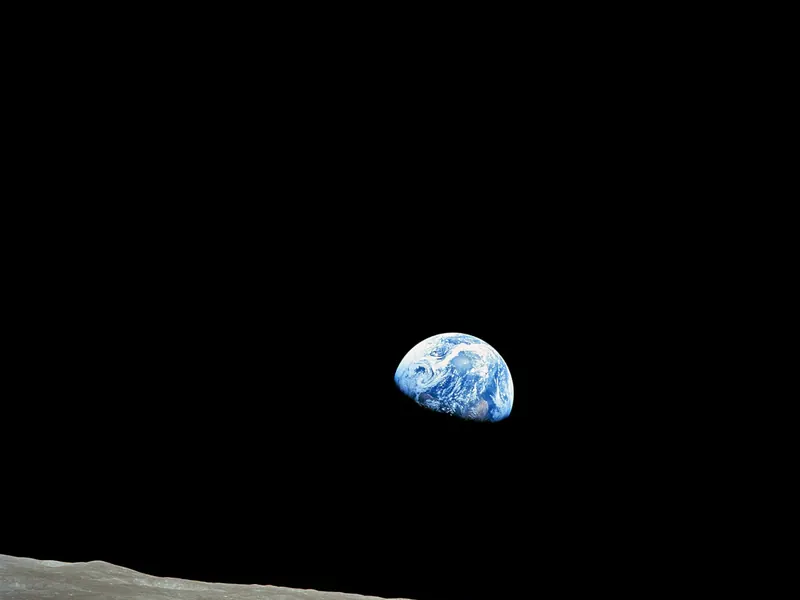
Earth
Planet 3 of 8 · rocky
- Earth is the third planet from the Sun, and the only place we know of with living things. [source]
Remember the order with: My Very Easy Method Just Speeds Up Naming.
What is planets.im?
planets.im is a small hub for the Sun, the planets and their neighbours, made for curious kids, families and anyone who still looks up. Each world will get its own site, like mars.planets.im, with sourced facts and things to do. We stick to facts that don’t go out of date. Our solar system has eight planets. [source] In 2006 the International Astronomical Union (IAU), the group of astronomers that names objects in our solar system, agreed its own definition of a planet. [source]
Moon counts keep changing as astronomers find more. Where our games and printables give a moon count, it comes from NASA’s Planetary Fact Sheet, with the date we checked it. NASA keeps the up-to-date numbers on its moons page.
Explore our worlds
Five planets.im sites are ready to explore. Their links open in a new tab. Each card uses a credited photograph from that site. The detailed stories, photographs and games live on each world.
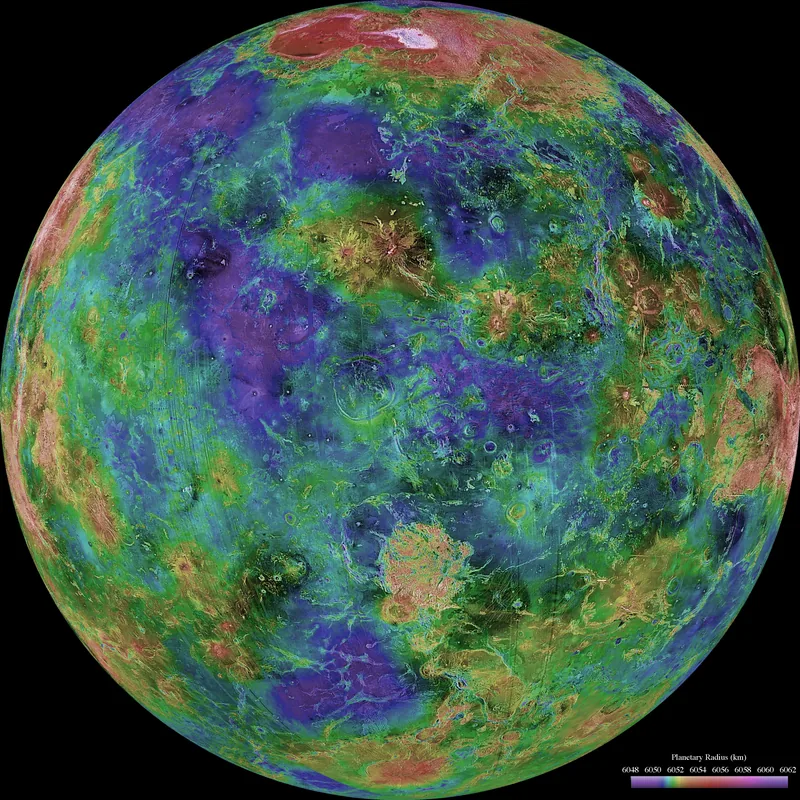 venus.planets.im
Venus
The hottest planet, with a desk that sets its surface conditions beside Earth’s, and sourced NASA figures.
Explore Venus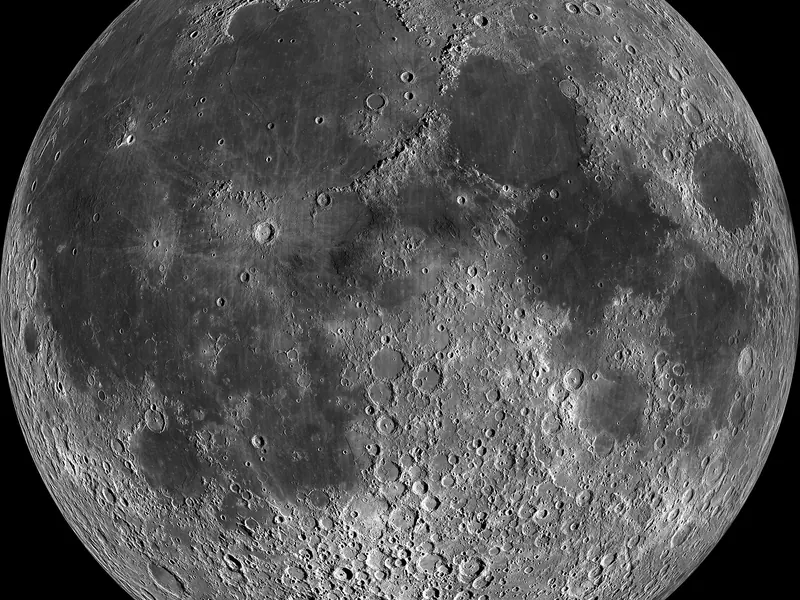 moon.planets.im
The Moon
A birthday Moon finder, tonight’s Moon and a lunar lander game, with sourced NASA figures.
Explore The Moon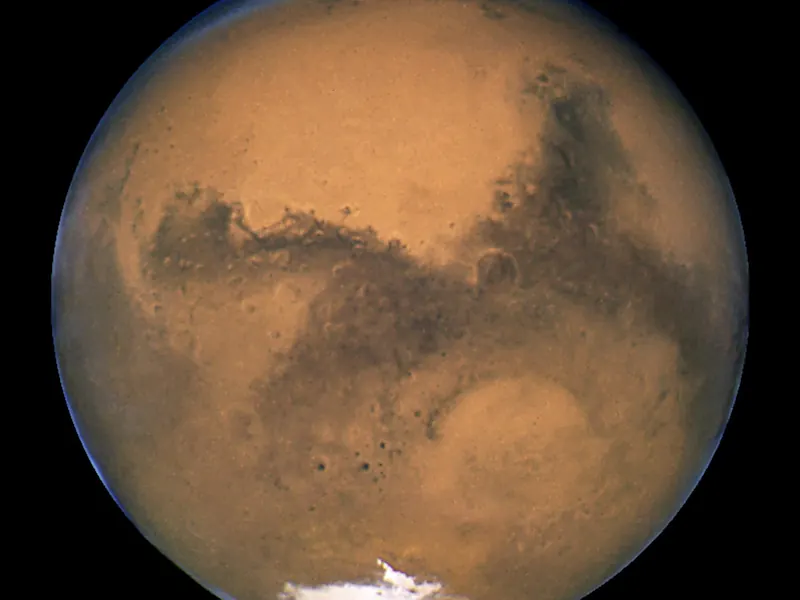 mars.planets.im
Mars
A Mars passport, a live Mars clock and a rover-driving game, with sourced NASA figures.
Explore Mars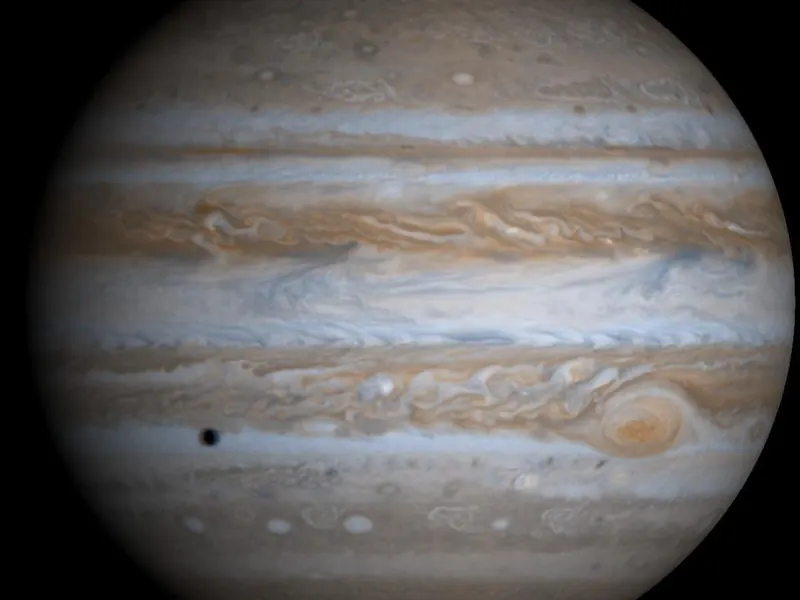 jupiter.planets.im
Jupiter
A Great Red Spot storm explorer and a game where you catch the big moons crossing Jupiter, with sourced NASA figures.
Explore Jupiter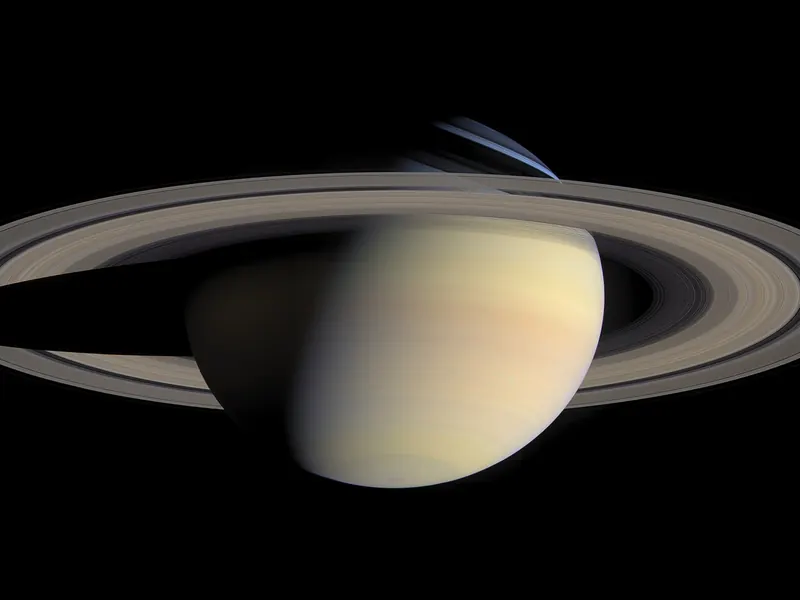 saturn.planets.im
Saturn
A bathtub test to see what would float, a guide to the rings and a moon-transit game, with sourced NASA figures.
Explore Saturn
Closer photographs
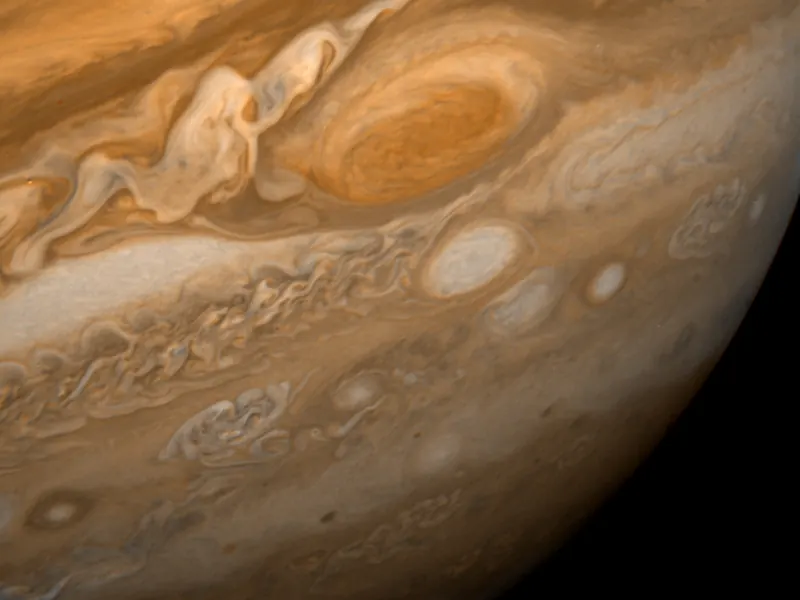
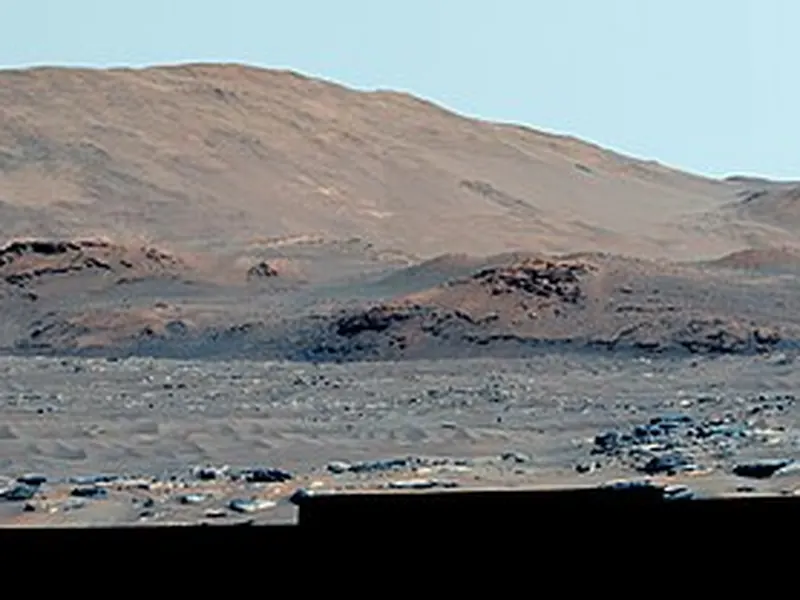
Two more pictures from the same planet sites, kept with their credits: a storm on Jupiter, and a river delta on Mars.

🥃 Quattro’s Corner
Dispatches from The Thinking Water
By Jove! Quattro is presently occupied with a rather important glass of sherry. Dispatches from The Thinking Water will commence once the moustache has been suitably groomed and the thinking water has reached operational temperature. Tally-ho!
Coming soon
More planet sites are being built now.
- The Sun
sun.planets.imComing soon - Mercury
mercury.planets.imComing soon - Earth
earth.planets.imComing soon - Uranus
uranus.planets.imComing soon - Neptune
neptune.planets.imComing soon - Pluto
pluto.planets.imComing soon
Sister hubs
planets.im is part of the same ReallyByte family as these hubs back on Earth:
Enjoyed the trip?
No pop-ups. No intrusive advertising. Just interesting stuff. A little support helps the next planet site get built.